Running necessary cabling for power and data (for wired systems).
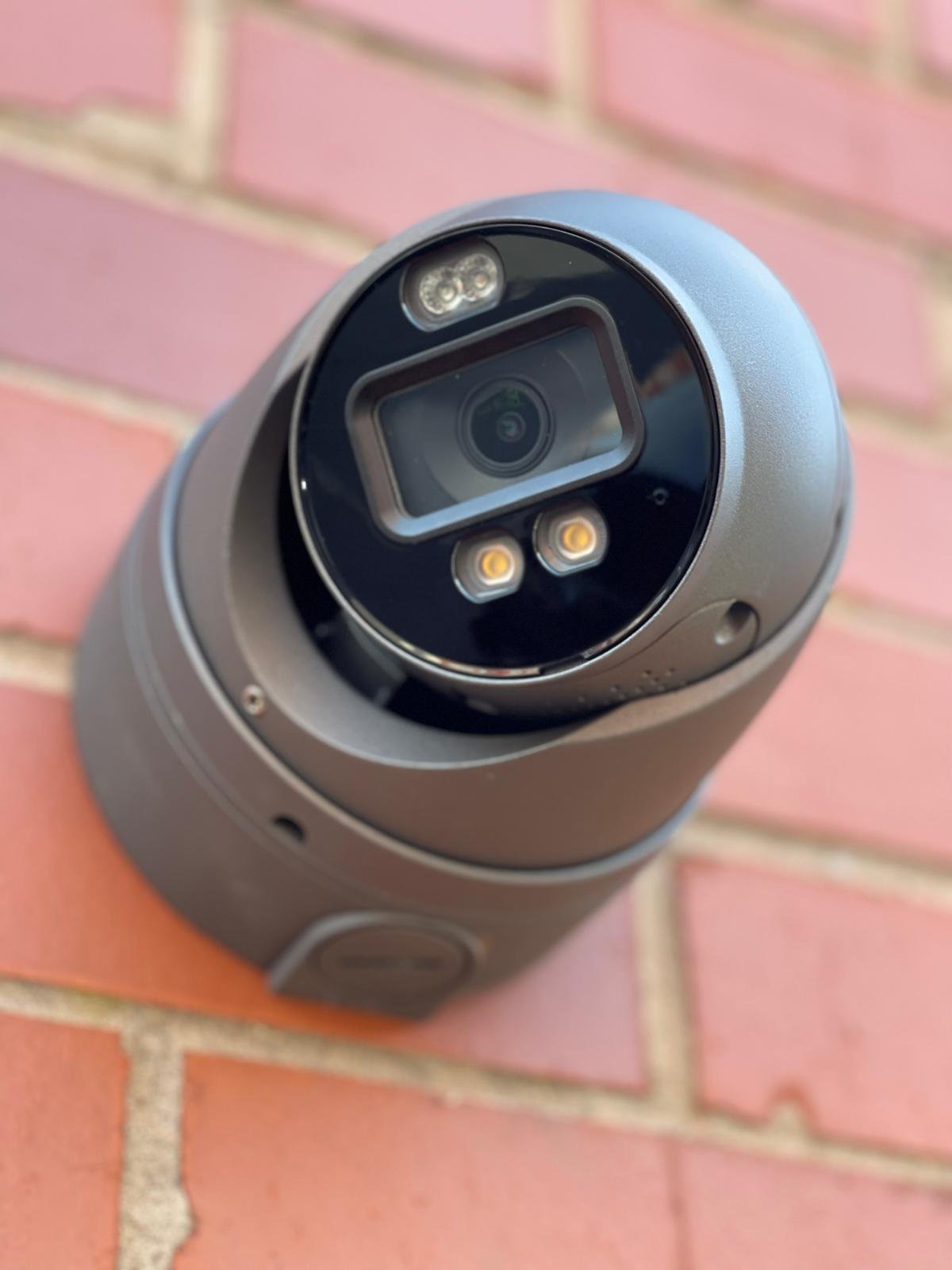
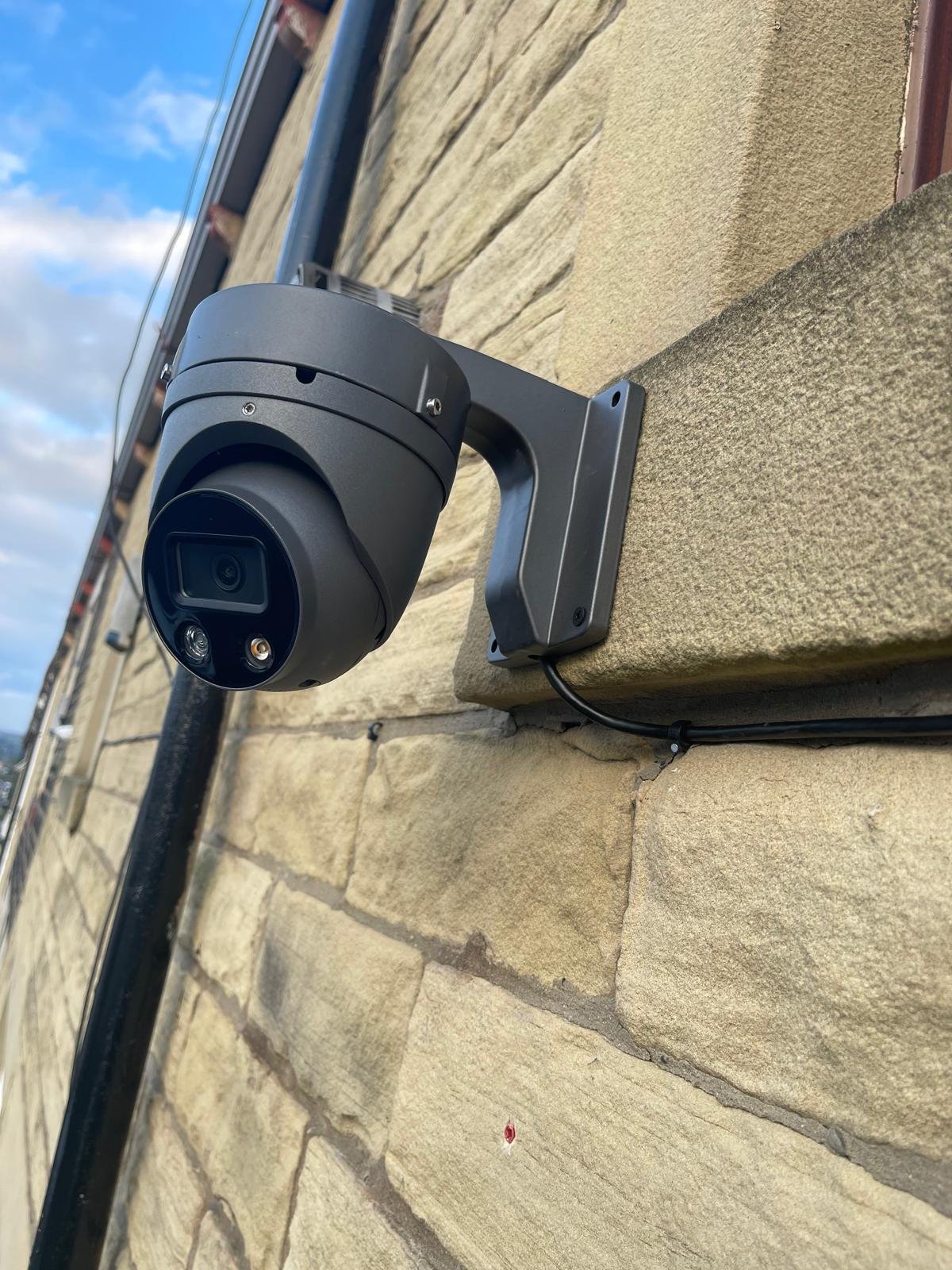
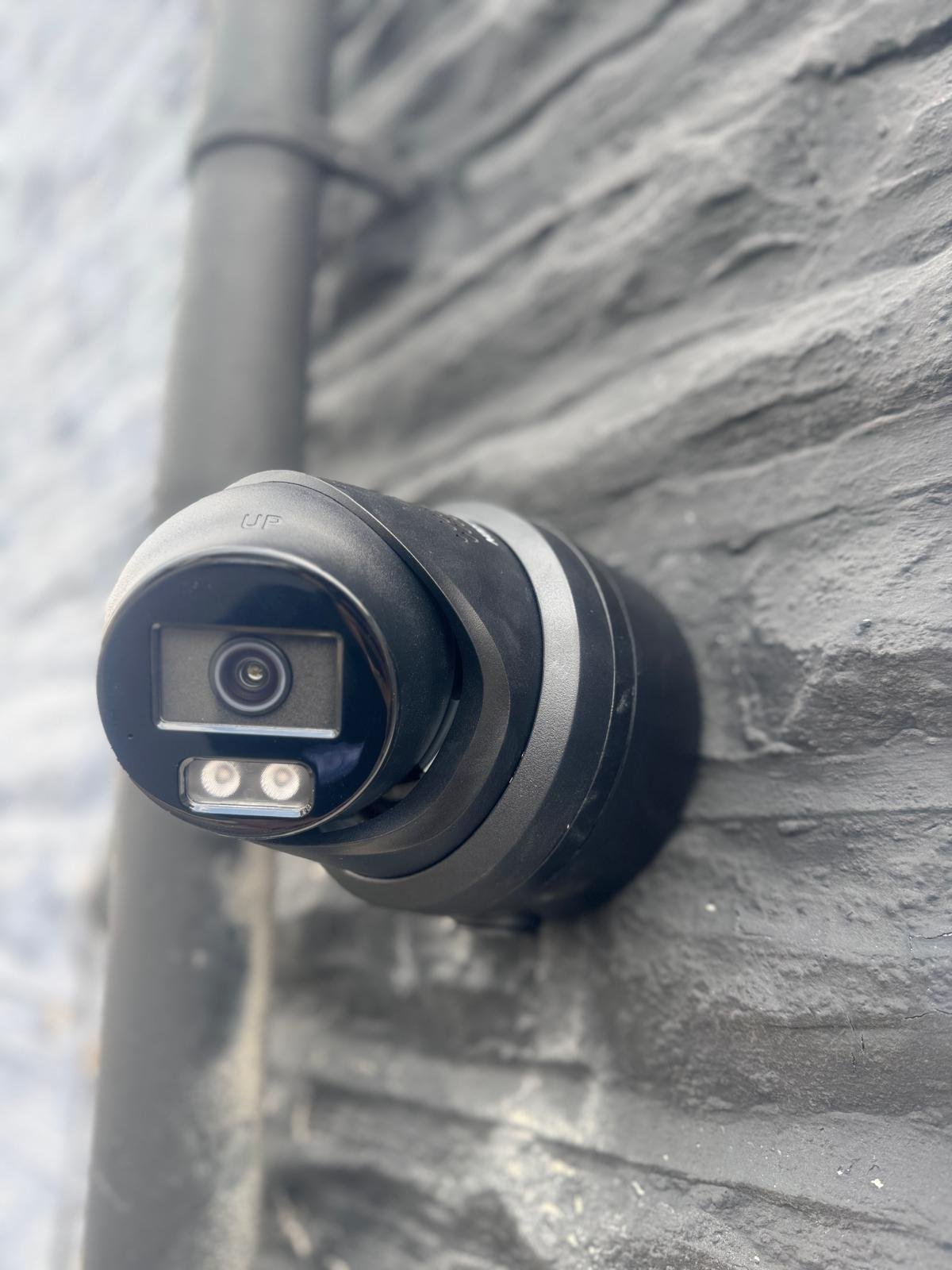
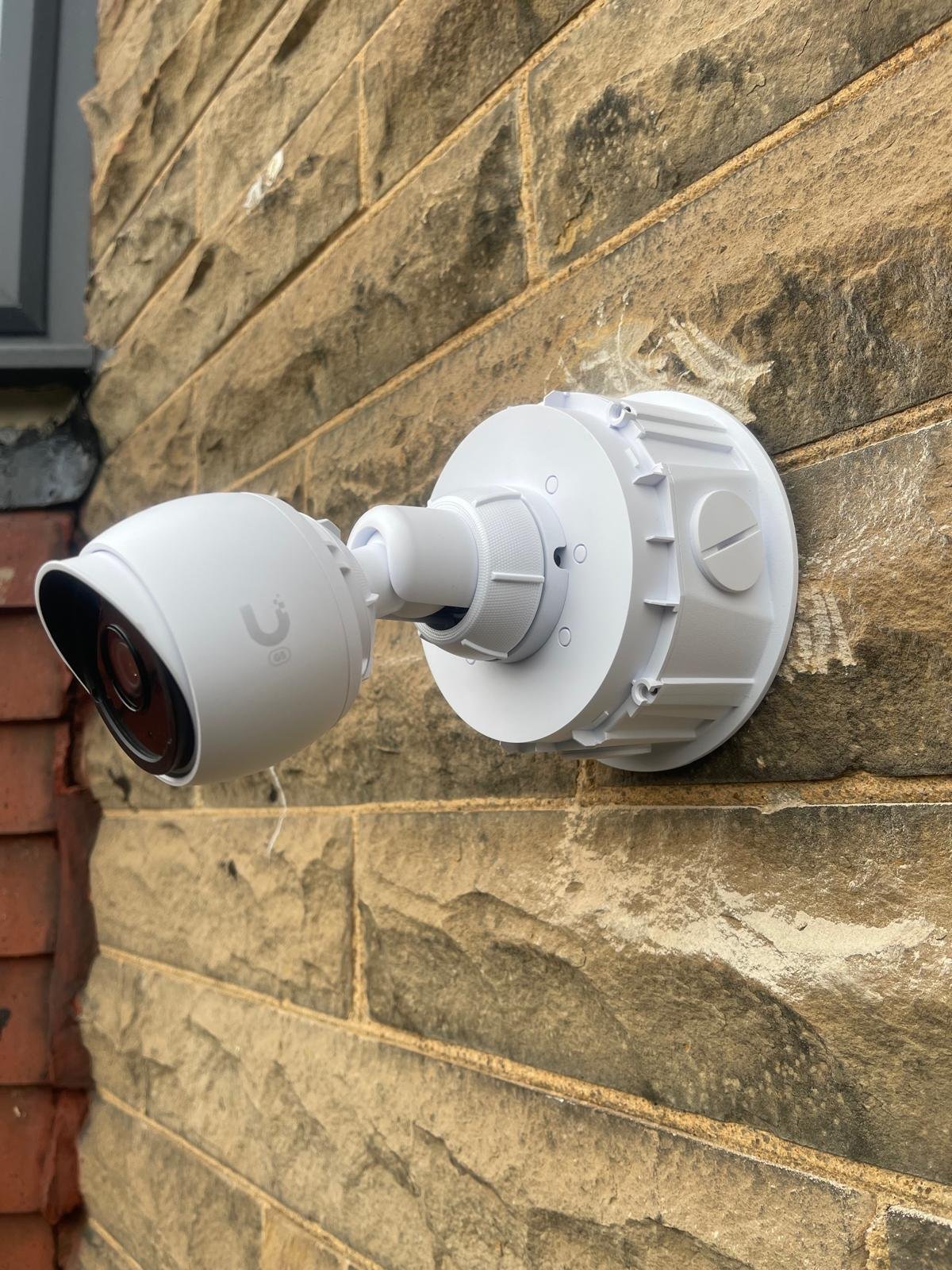
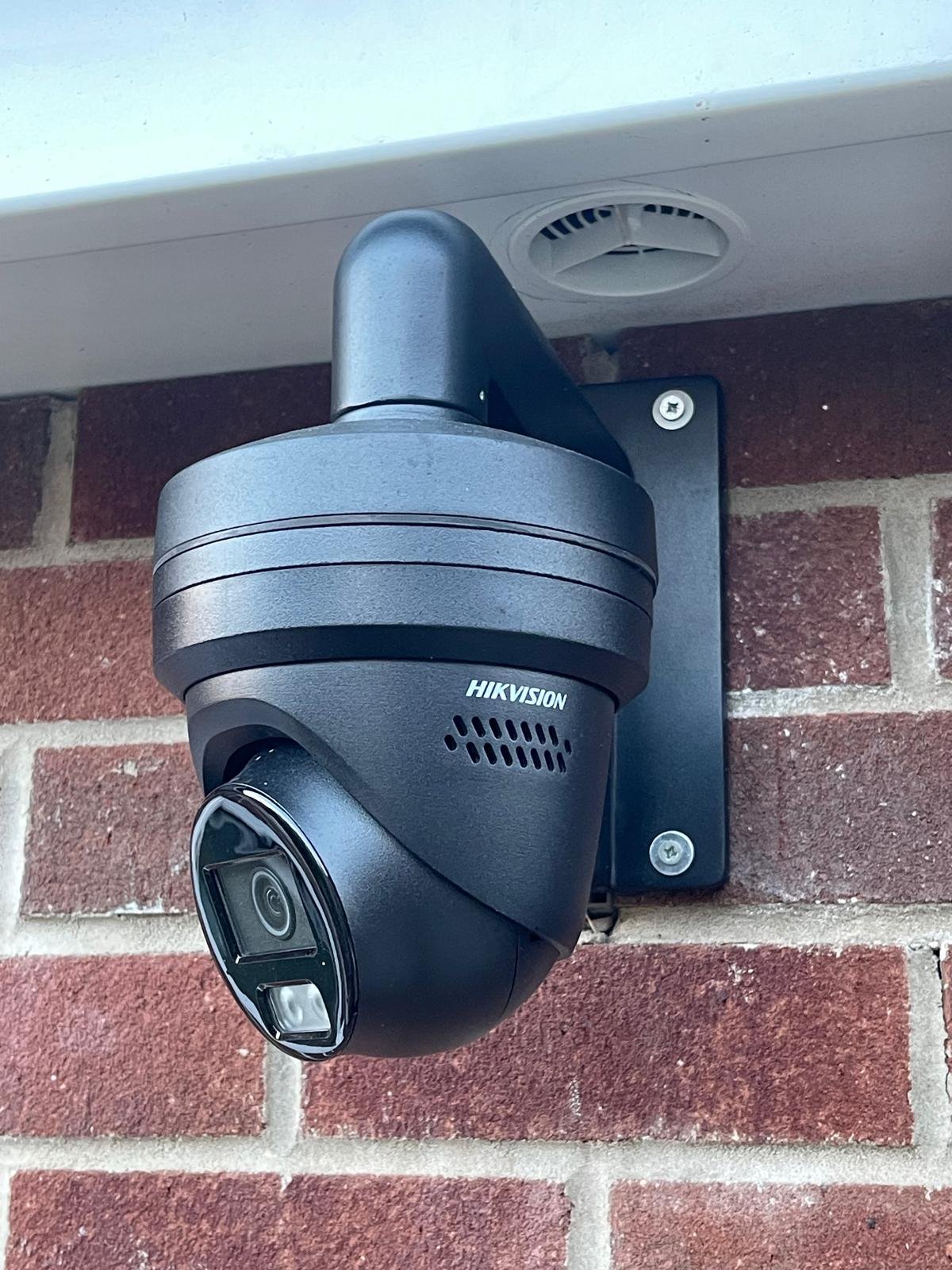
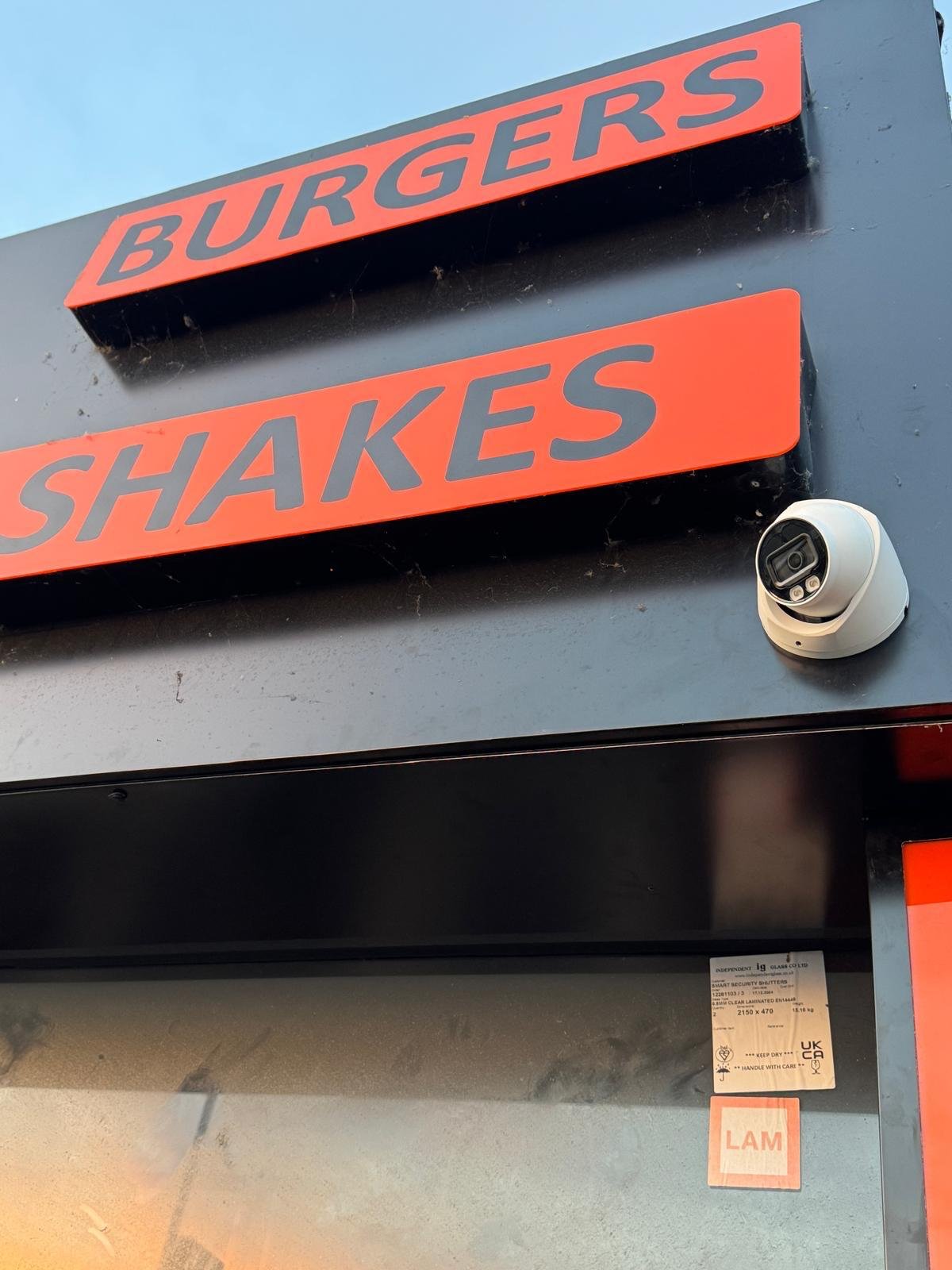
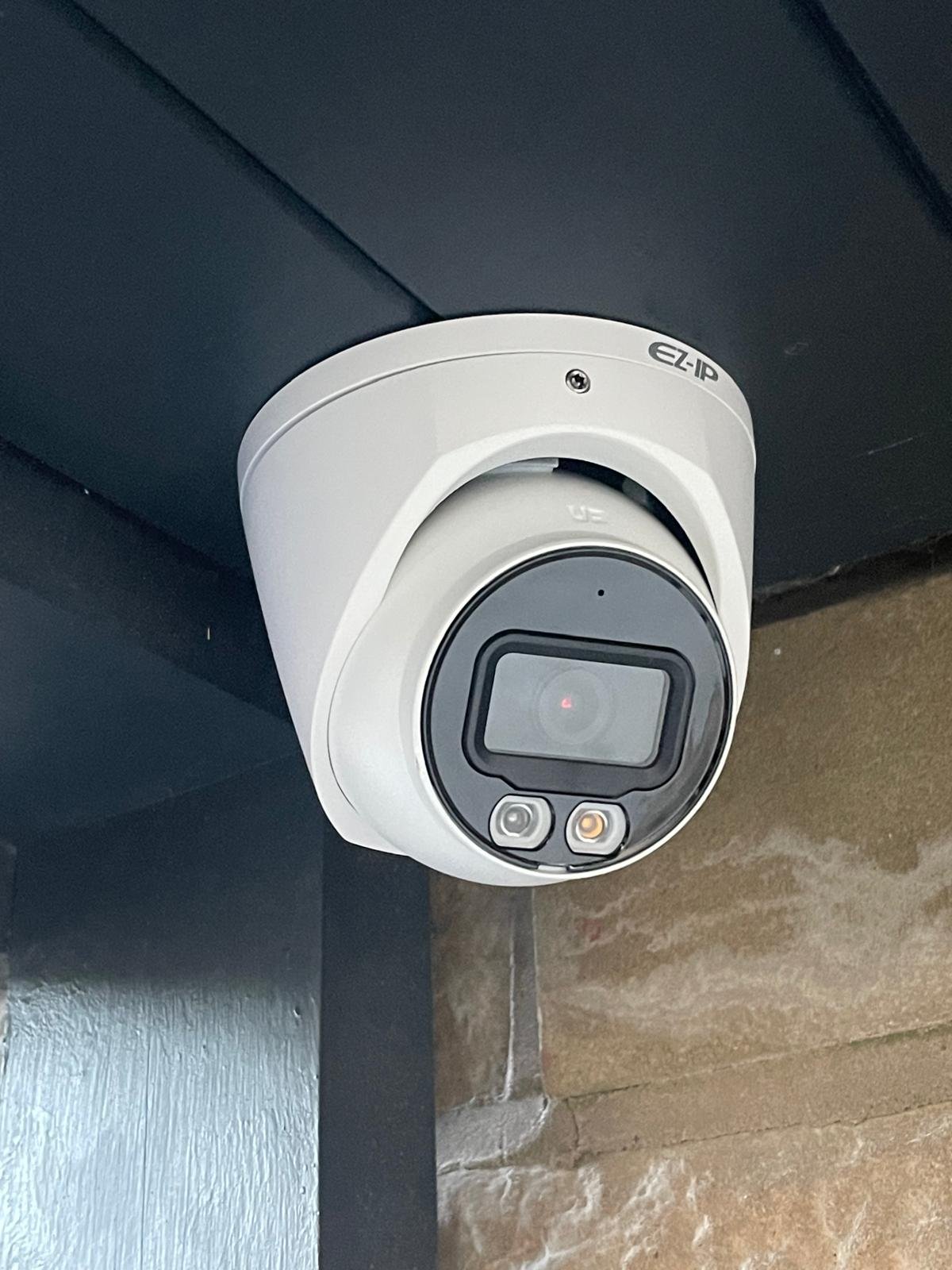
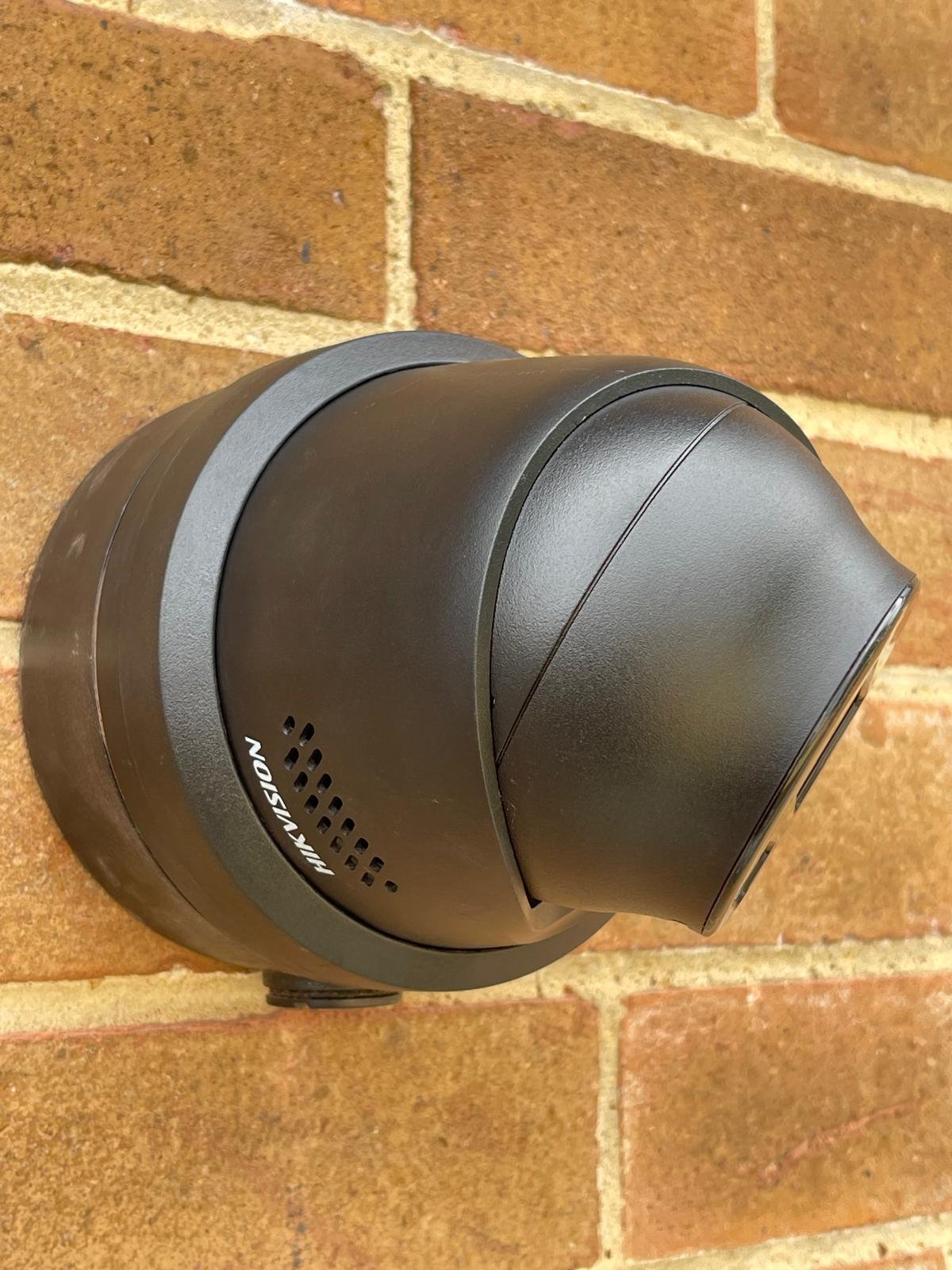
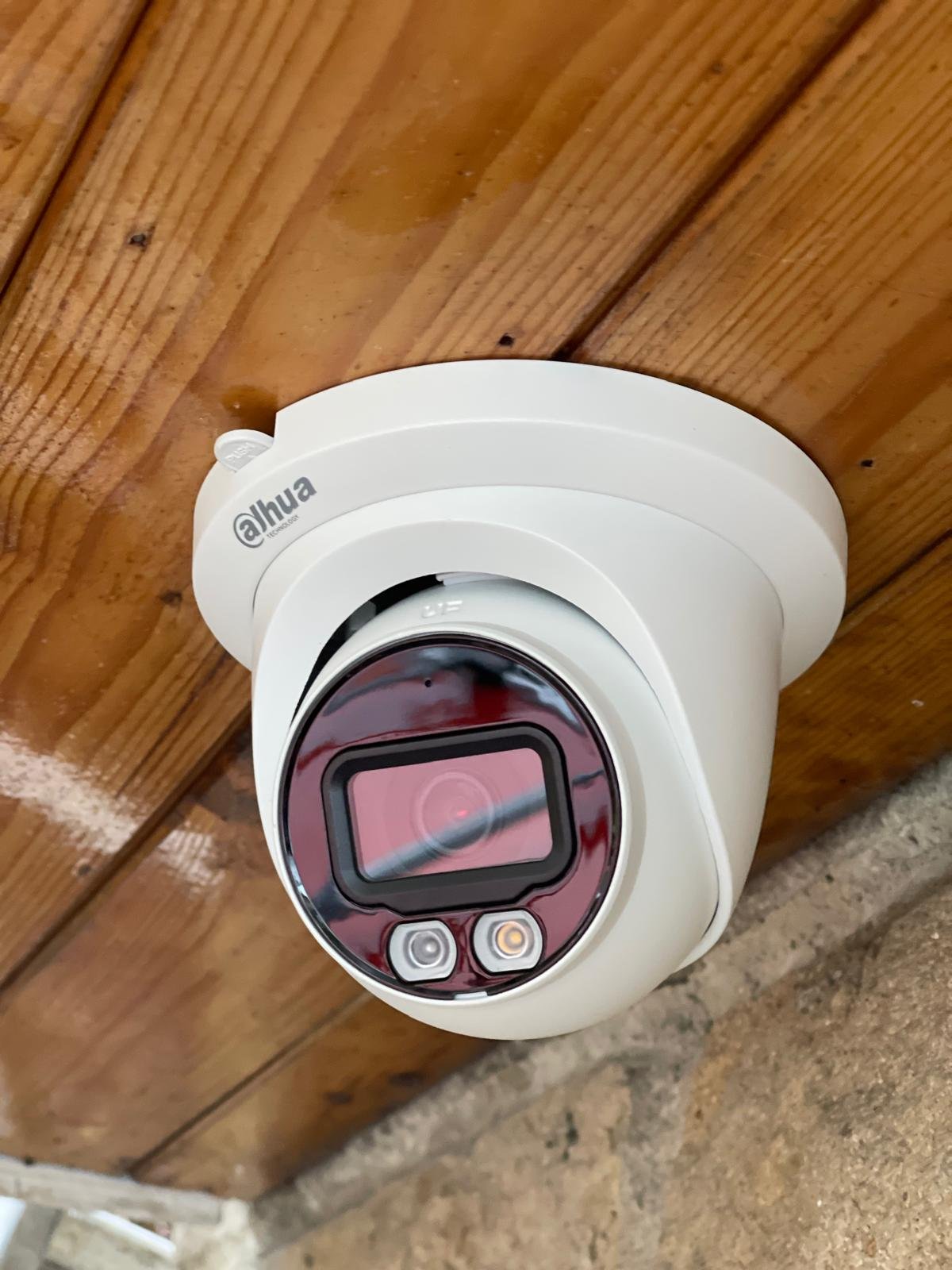
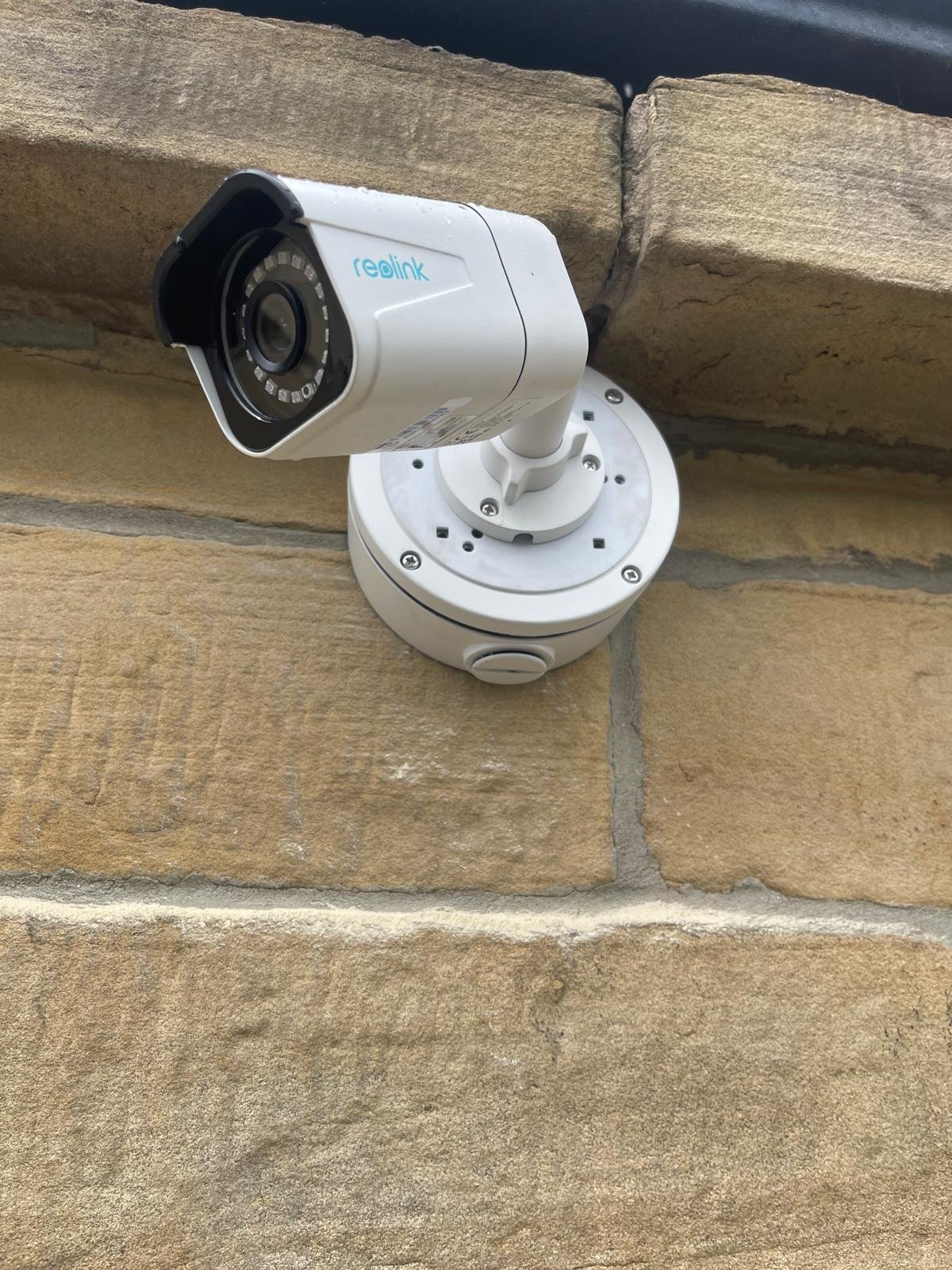
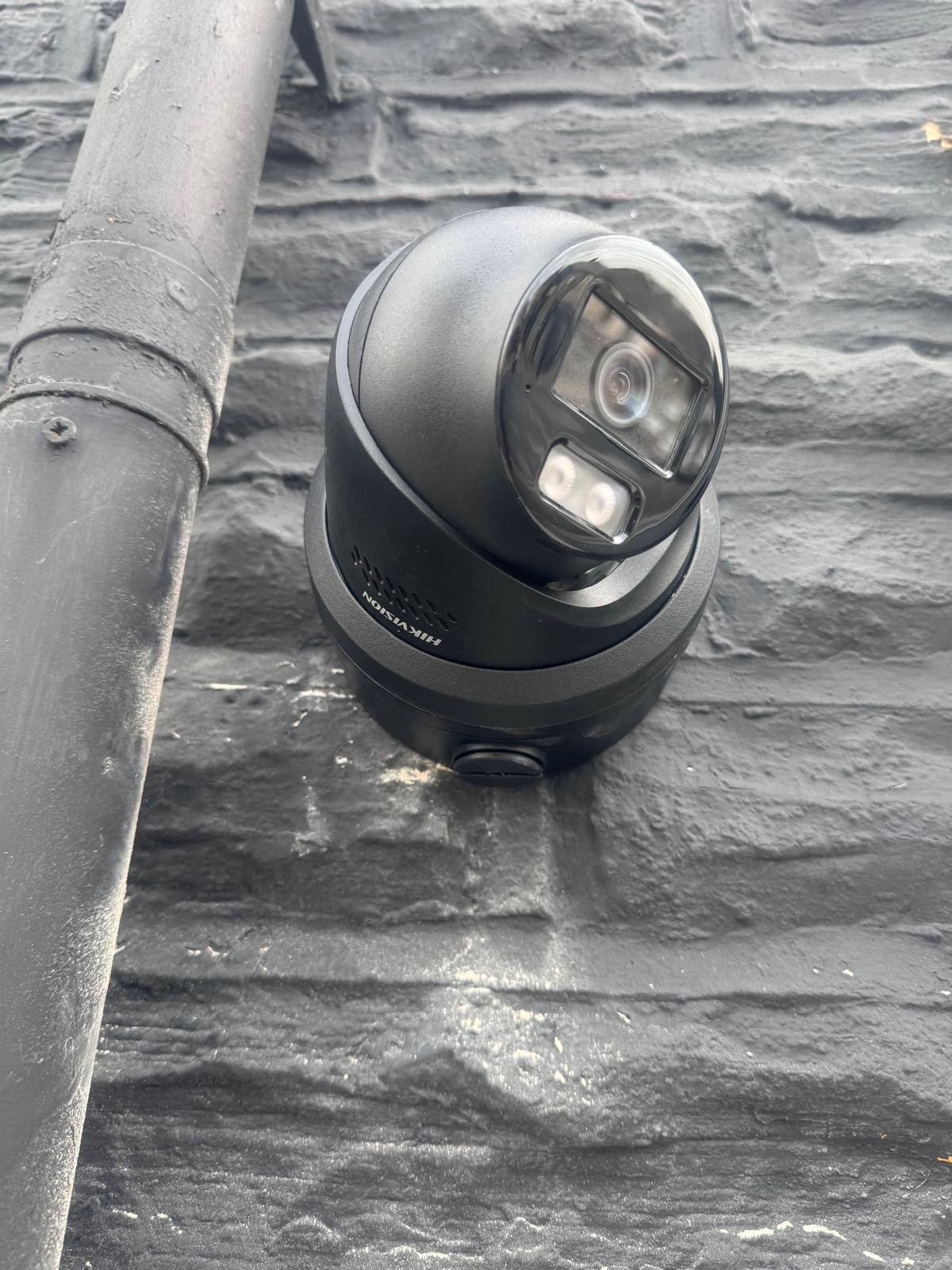
Mounting cameras and positioning them properly.
Setting up recording devices (DVR/NVR) and configuring software for monitoring and storage.
The number of cameras depends on the size of the area to be covered and the level of security required. For a small home, 2–4 cameras may suffice, while large commercial properties may require dozens.
Yes, many CCTV cameras come equipped with infrared (IR) LEDs for night vision, allowing them to capture footage even in complete darkness.
Motion detection triggers the camera to start recording or send an alert when movement is detected. This feature helps save storage space and makes it easier to review important events.
Yes, periodic maintenance includes cleaning camera lenses, ensuring connections are secure, checking for firmware updates, and ensuring the recording devices are functioning properly. Regular maintenance helps ensure reliable performance.
Many CCTV cameras are designed to be weatherproof and can be installed outdoors. Look for cameras with an IP66 or IP67 rating, which means they are resistant to dust and water.